
Arts Educators
Passionate about shaping the artists of tomorrow? Discover the opportunities, resources and networks to grow your practice as an arts educator in Singapore.
Last updated on 23 September 2026
What is it like to work as Arts Educators Services in the arts sector?
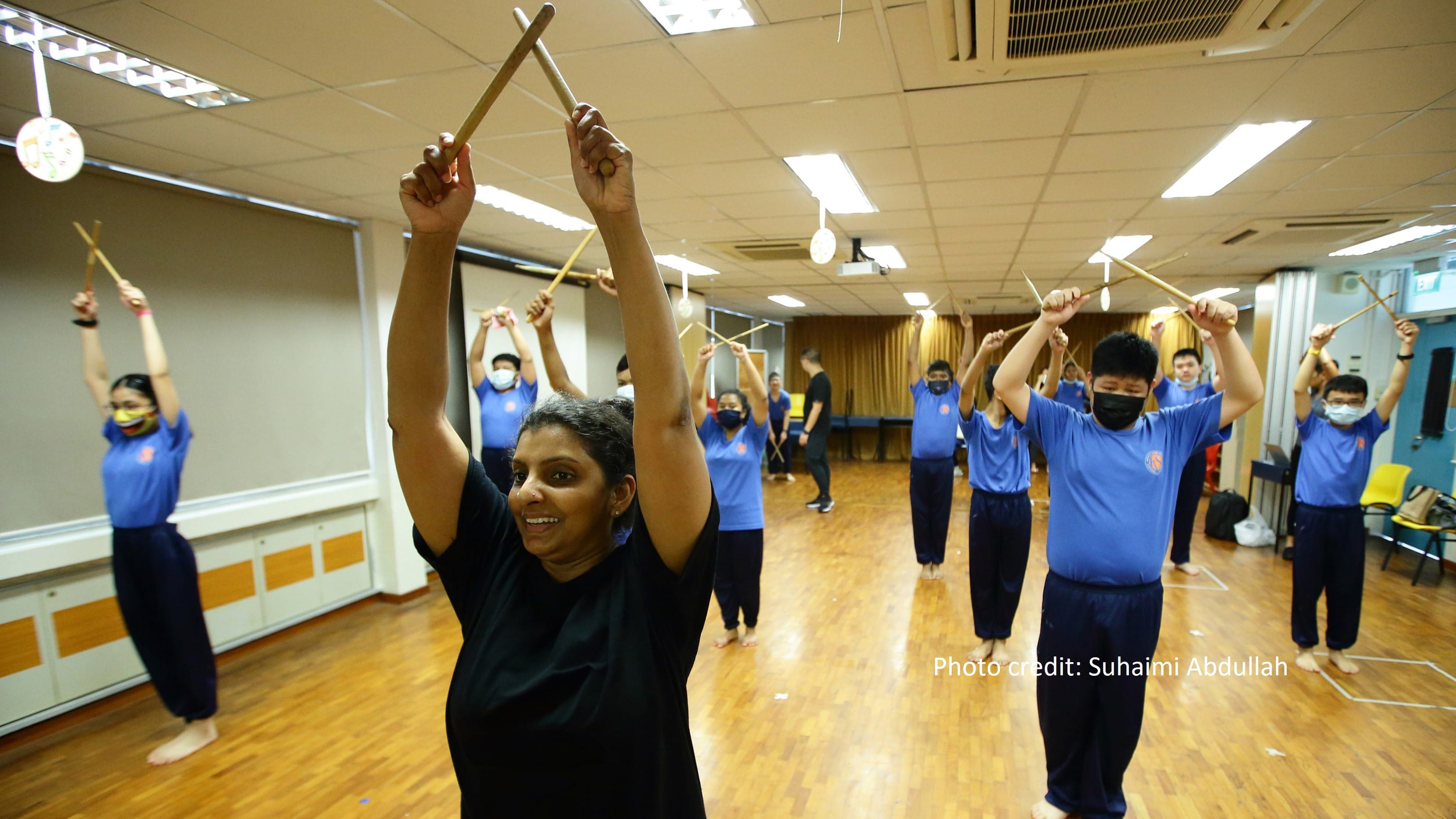
Image courtesy of Suhaimi Abdullah
Arts Educators are primarily practising artists with a teaching practice and an artistic practice that inform and complement one another. They tend to work in a variety of settings such as schools, private studios, arts organisations and community centres that provide full-time, part-time employment or freelance work opportunities for Arts Educators as music teachers, dance instructors and drama educators, to name a few. 1 in 2 arts professionals who work in the Arts Education field operate as Self-Employed Persons (SEPs).
Did you know?
Arts Educators, in the context of arts workforce, do not include in-service school teachers who teach subjects such as Art or Music. Instead, Arts Educators refer to teaching artists with dual careers in the arts and education fields and tend to work as instructors for Co-Curricular Activities (CCAs) or facilitators of lessons and programmes under the NAC-Arts Education Programme (NAC-AEP) or Artist-in-School Scheme (AISS) in the formal school setting and as instructors in community settings.
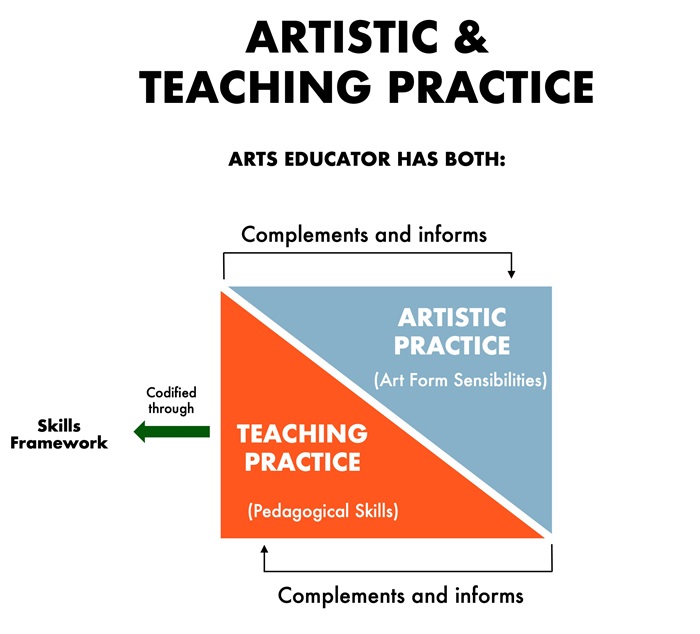
Arts Educators deliver arts education programmes that encourages the appreciation of and participation in the arts and/or achieve other learning goals through an arts education programme. They play an important role in providing Singaporeans with quality arts experiences from a young age. They help to develop new arts audiences and nurture future arts professionals and cultivate patrons who appreciate and support the arts.
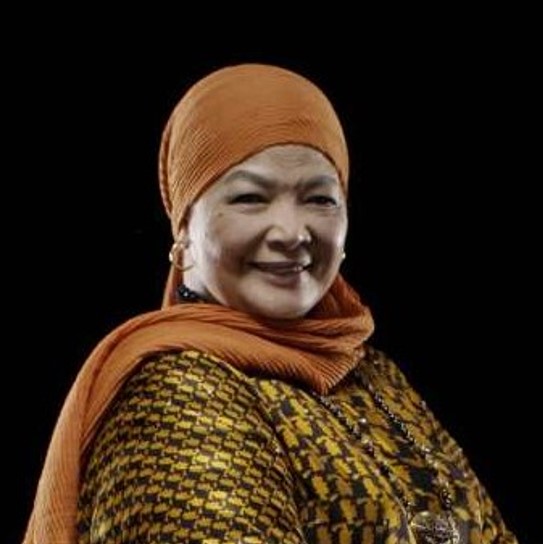
My greatest happiness is to share both the tangible and intangible qualities of Malay dance. The tangible qualities will be what you see on stage — dancers being able to perform correctly and with feeling. But that’s not the core of my teaching. The core of my teaching is transmitting what is intangible, values like respect, care, friendship and love. You have to remember that in Malay dance, there is no principal dancer. You are dancing together with 20 friends. If one is no good, then the whole team is no good. So we need to learn to support one another.— Som Said, pioneering Malay dancer and choreographer, founder and director of Sri Warisan Som Said Performing Arts, 1987 Cultural Medallion Recipient
As a practising artist, I constantly push new engagements with the medium, the concepts and the readings. What gets me excited is the ability to share these new discoveries with my students.— David Chan, Visual Artist and Arts Educator
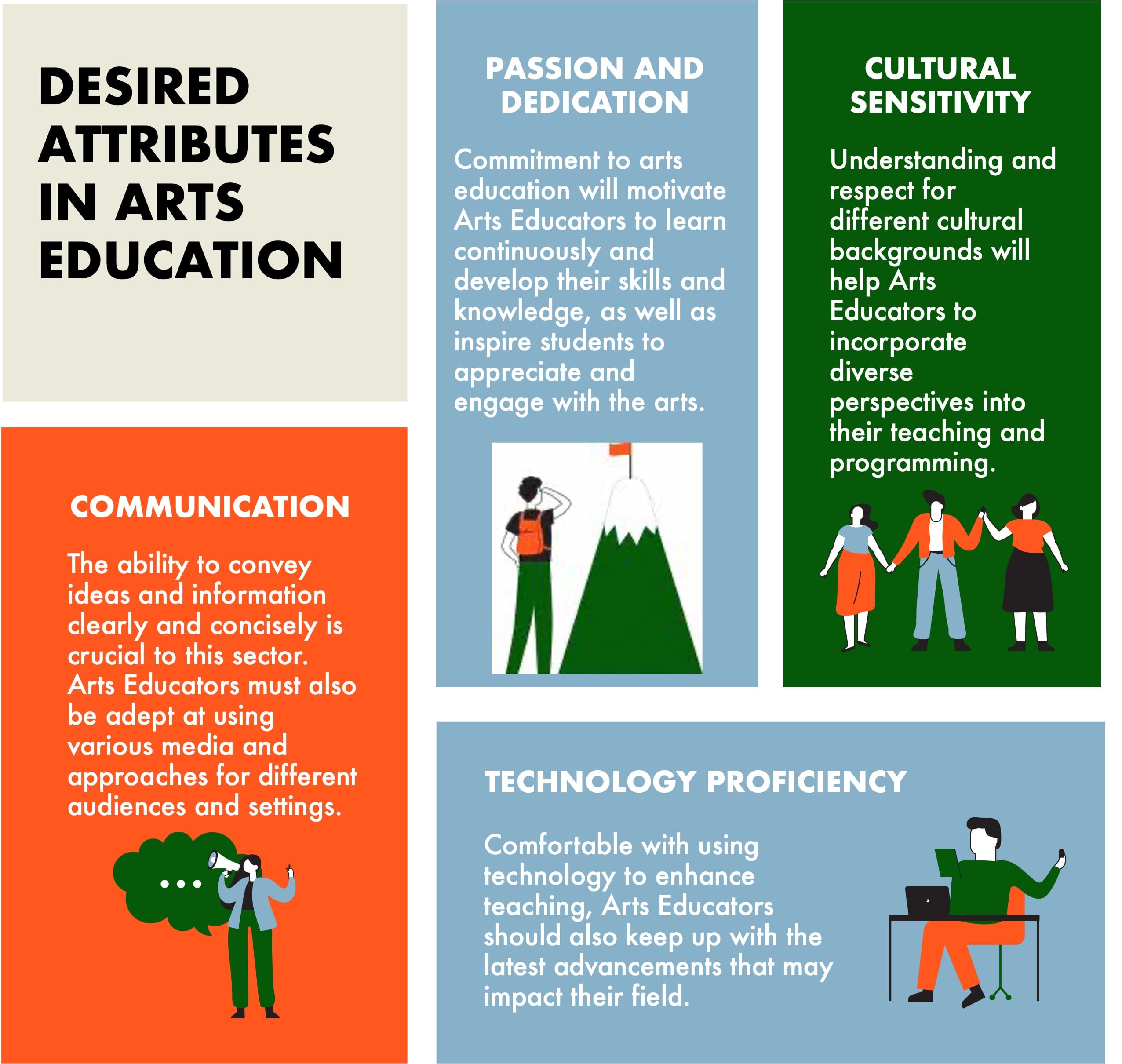
Desired attributes of an Arts Educator
There are two career tracks in this sector
Educator Track
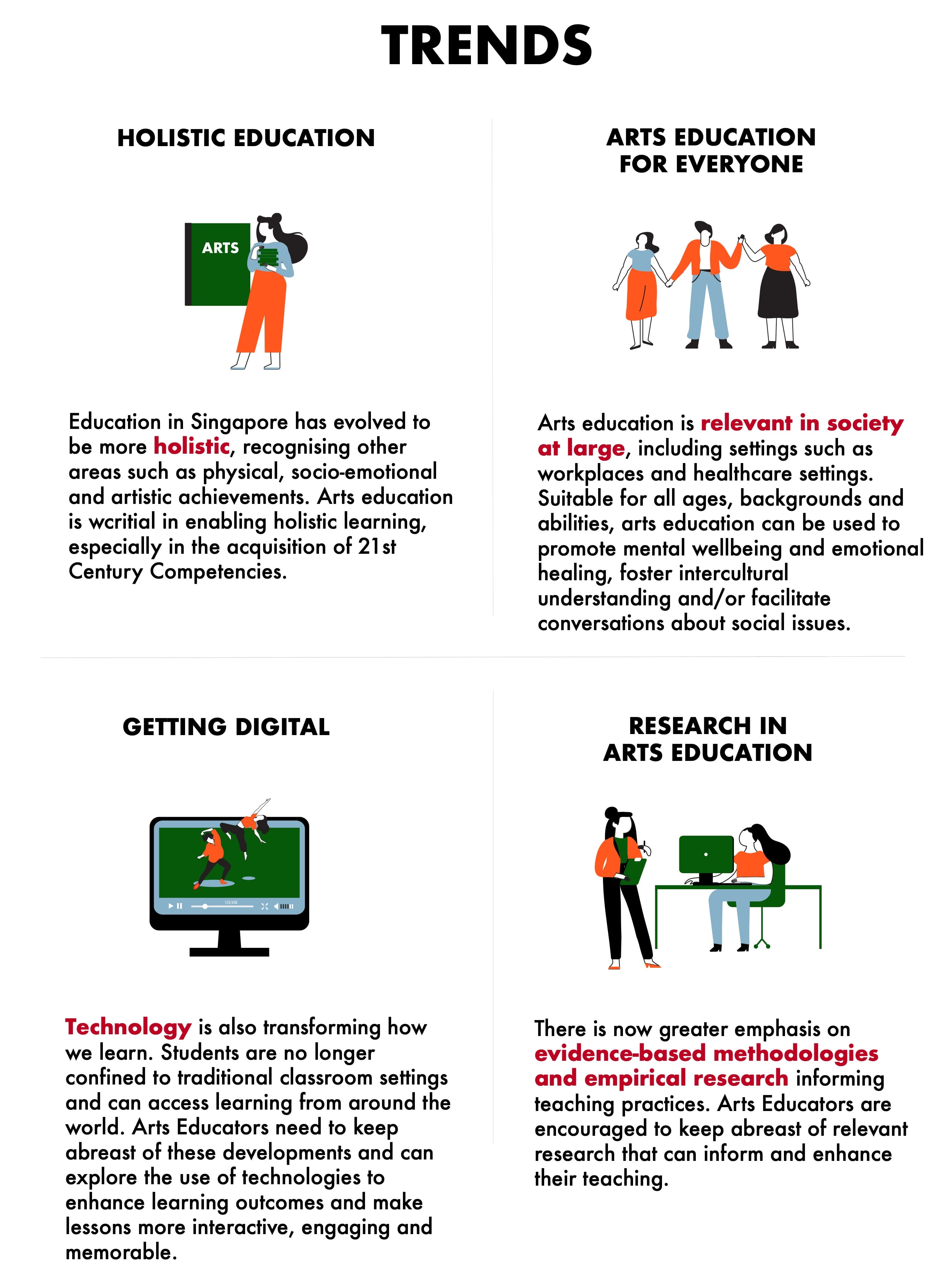
Arts Educators are responsible for designing and delivering arts lessons, guiding students in their creative pursuits and nurturing their artistic abilities. Their arts education programmes are typically informed by their own artistic practice.
Arts Educators teach various arts forms, such as Dance, Digital Media, Music, Literary Arts, Theatre and Visual Arts, to students of various ages and proficiencies. Arts Educators are not only proficient in their art form, but also invested in sharing their skills and knowledge with students.
Generally, qualifications in the art form, or at least substantial training with a reputable artist/company, is required of Arts Educators. Some jobs might require applicants to have a degree in Education or a teaching certification for the particular art form, and/or some experience teaching the relevant student profile(s).
Job prospectus - Arts Educator
Job Description
Arts Educators design, deliver and review learning experiences and use effective assessment strategies to help learners perform according to required standards. Their teaching practice is complemented and informed by their artistic practice in their chosen art form. They have a strong understanding of effective teaching pedagogies and learning strategies and are agile in adapting them for specific contexts, student needs, and learning objectives. They coach learners towards achieving their fullest potential in the craft and in gaining a deeper understanding and appreciation of artistic work. They help learners connect with and express their creativity, and equip them with the tools to explore their ideas and imagination.
Arts Educators invest in the advancement of arts education by developing and improving pedagogies, programmes, and curricula. They take an active role in engaging with arts education institutions and mentoring emerging artists. They are self-reflective and take a critical approach to their own teaching and art form practice, often adopting a signature teaching approach unique to themselves.
Arts Educators deliver arts education programmes in schools, universities, community centres, welfare organisations and co-curricular settings to diverse student profiles.
For more information, please refer to the Skills Framework for Arts (Arts Education) [PDF, 2.35 MB] ↗ (opens in new tab)
Key skills and responsibilities
Key Action | Description |
|---|---|
Key Responsibilities |
|
Key Technical Skills |
|
Key Soft Skills |
|
Researcher Track
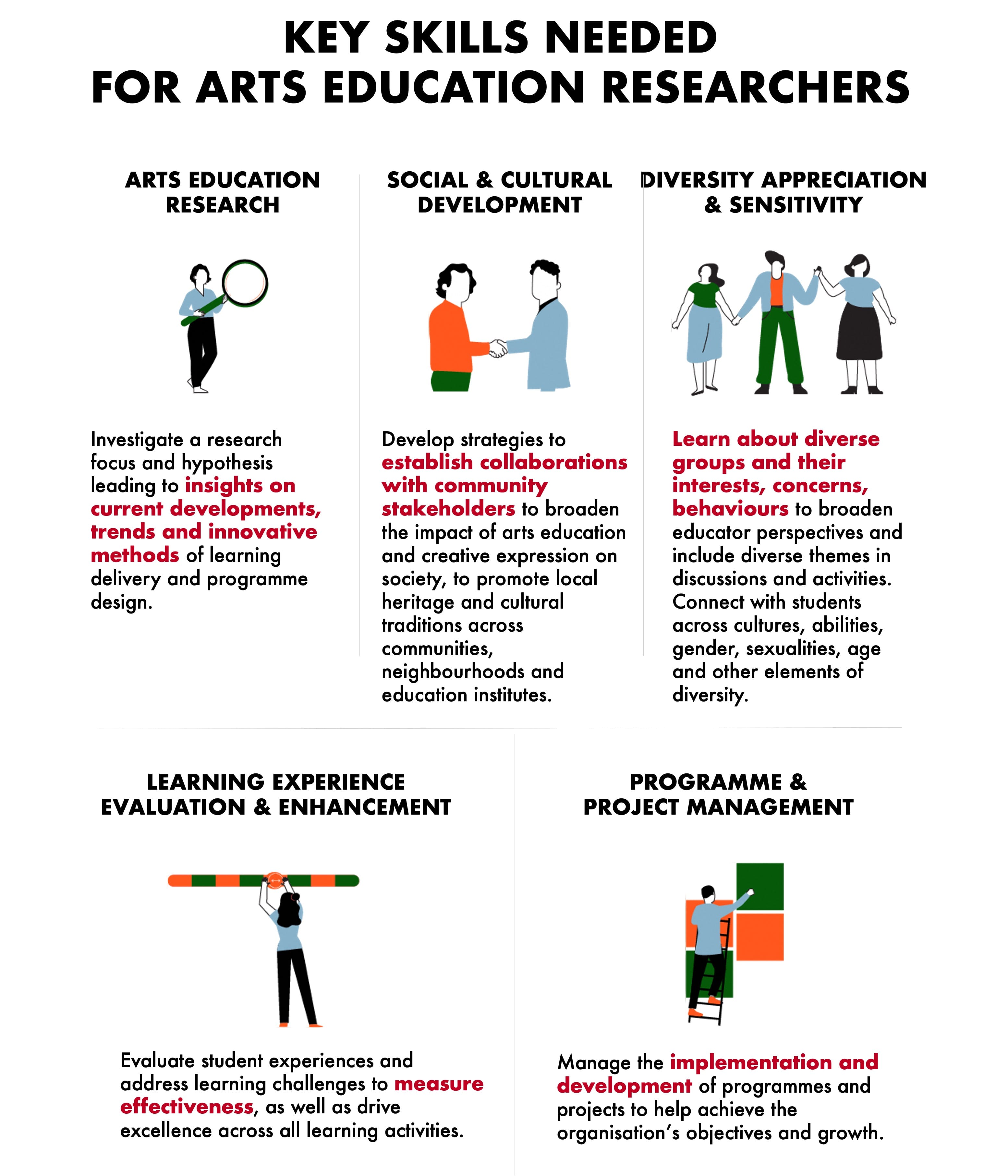
Some Arts Educators may choose to branch out into research as an Arts Education Researcher. Such individuals review literature, conduct studies using various research methodologies, analyse data, and present findings to the larger arts education community. Their objective is to refine existing teaching methods and the quality of the arts education curriculum.
Arts Education Researchers collaborate with educators, artists, administrators, and policymakers to identify gaps and explore interests in selected arts fields and propose recommendations related to arts education and beyond. They typically conduct research in the context of institutes of higher learning, arts organisations, or independently.
Explore arts careers in Singapore
Self-Employed Persons
Navigate a self-employed arts career with resources, opportunities and support to help you build capabilities, adapt to change and grow a meaningful and sustainable practice on your own terms.
Production Design
Bring ideas to life behind the scenes through careers in production design, where creativity, collaboration and technical expertise come together to shape memorable experiences across stage, screen and other creative platforms.
Technical and Specialist Services
Explore opportunities in technical and specialist services, supporting productions behind the scenes through expertise in lighting, sound, multimedia, stage operations and production management.
Did you know?
The NAC Capability Development grant supports arts practitioners in enhancing their professional capabilities through local and international learning opportunities. This grant provides up to 80% funding support for a range of development activities including training courses, mentorships, conferences, workshops, and overseas attachments that contribute to artistic excellence and arts management skills.